"Serving Premium Quality Ingredients Since 1986"

Mustard Seeds (Yellow & Brown)

Mustard Seeds (Yellow & Brown)

At Sterling Exports Inc., we bring you premium quality Mustard Seeds (Yellow & Brown) that are carefully sourced, processed, and exported to international markets. Mustard is one of the world’s most versatile spices, widely used in both culinary and industrial applications.

Mustard seeds can be crushed to form a paste and mixed with water to create a condiment, or dried and powdered to make mustard sauce. Both yellow mustard (milder and popularly used in sauces and condiments) and brown/black mustard (pungent and spicier, widely used in Indian and Asian cooking) are available.

At Sterling Exports, we closely monitor the mustard seeds from germination to final packaging, creating controlled cold and moist conditions for proper development. This ensures that only high-quality mustard seeds with strong flavor, aroma, and oil content reach our customers worldwide.
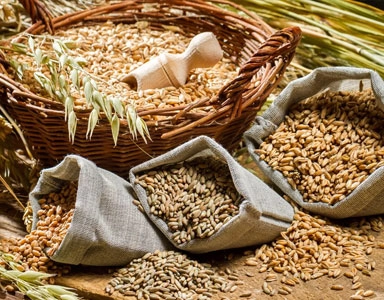
General Product Details

Product Name
Mustard Seeds (Yellow & Brown) – Whole & Grounded
Botanical Names
Brassica Alba (Yellow), Brassica Nigra (Black/Brown), Sinapsis Alba
Family Name
Cruciferae
Forms Available
Whole Seeds, Ground Powder, Mustard Flour
Flavor & Aroma
Yellow mustard is mild and tangy, while brown mustard is pungent and spicy.
Appearance
Tiny, round seeds – yellow or dark brown depending on the variety.
Primary Uses
Pickles, curries, sauces, spice blends, condiments, salad dressings, marinades, and oil extraction.

Varieties Available

Yellow Mustard Seeds
Brown Mustard Seeds
Mustard Flour
Mustard Powder

Technical Specifications

Moisture Content
Max 9–10%
Oil Content
28–32% (varies by variety)
Foreign Matter
< 1%
Purity
99% min
Shelf Life
12–18 months under cool, dry conditions
Processing
Cleaned, graded, and hygienically packed
Packaging Options
100g to 50kg – Laminated paper bags, PP bags, vacuum packs, jute bags, mono cartons, and private-label pouches.

All specifications comply with EU/US export quality standards.

History of Mustard Seeds

Mustard is one of the oldest known spices, with its use dating back over 3,000 years. The ancient civilizations of Egypt, Greece, and Rome valued mustard both as a condiment and a medicinal herb. The seeds were ground and mixed with vinegar to create an early form of mustard paste. In India, mustard seeds have been a culinary staple for centuries, forming the base of tempering (tadka) in curries, pickles, and spice blends. While yellow mustard gained worldwide popularity as a table condiment in Europe and North America, brown mustard became integral to Asian and Indian cuisines. Today, mustard seeds remain one of the most traded spices globally.

Do You Know? 🌿

Mustard is the second most used spice in the world, after black pepper.
Mustard seeds are tiny but contain 25–30% oil, making them a key oilseed crop.
Yellow mustard seeds are milder, while brown and black mustard seeds are hotter and more pungent.
Mustard oil is widely used in Indian cooking, Ayurvedic remedies, and massage therapy.
Mustard seeds contain selenium and magnesium, which are believed to have anti-inflammatory properties.
The seeds are rich in glucosinolates, compounds that give mustard its pungent aroma and sharp taste.
Mustard plasters were once used in traditional medicine to relieve chest congestion.
Dijon mustard from France is famous for using brown mustard seeds.
The phrase “mustard seed faith” comes from its symbolic use in scriptures, representing strength despite small size.
Mustard seeds are also used in preserving pickles, as they help inhibit bacterial growth.

Frequently Asked Questions

Q1. What varieties of mustard seeds does Sterling Exports supply?
We supply yellow mustard seeds, brown mustard seeds, and ground mustard powder, sourced from the best farms.
Q2. How are yellow and brown mustard seeds different?
Yellow mustard seeds are mild and tangy, commonly used in sauces, while brown mustard seeds are spicier and stronger, widely used in Indian and Asian cooking.
Q3. What are the main uses of mustard seeds?
They are used in condiments, curries, pickles, spice blends, oil extraction, and traditional medicine.
Q4. How does Sterling Exports ensure quality?
We follow strict monitoring from germination to harvest, artificial cold/moist germination for high yield, and maintain global certifications (BRC, HACCP, ISO 22000, Halal, Kosher).
Q5. Can mustard seeds be supplied in customized packaging?
Yes, we offer packaging ranging from 100 grams to 50 kg, including vacuum packs, laminated pouches, jute bags, mono cartons, and private-label branding.
We also supply Mix container of Spices, Grains, Oil Seeds and Other Agricultural Commodities as per customer's requirements.
Contact us